
All Sports or Early Specialisation?
Specialise in one sport, like rugby, or play as many sports as possible?
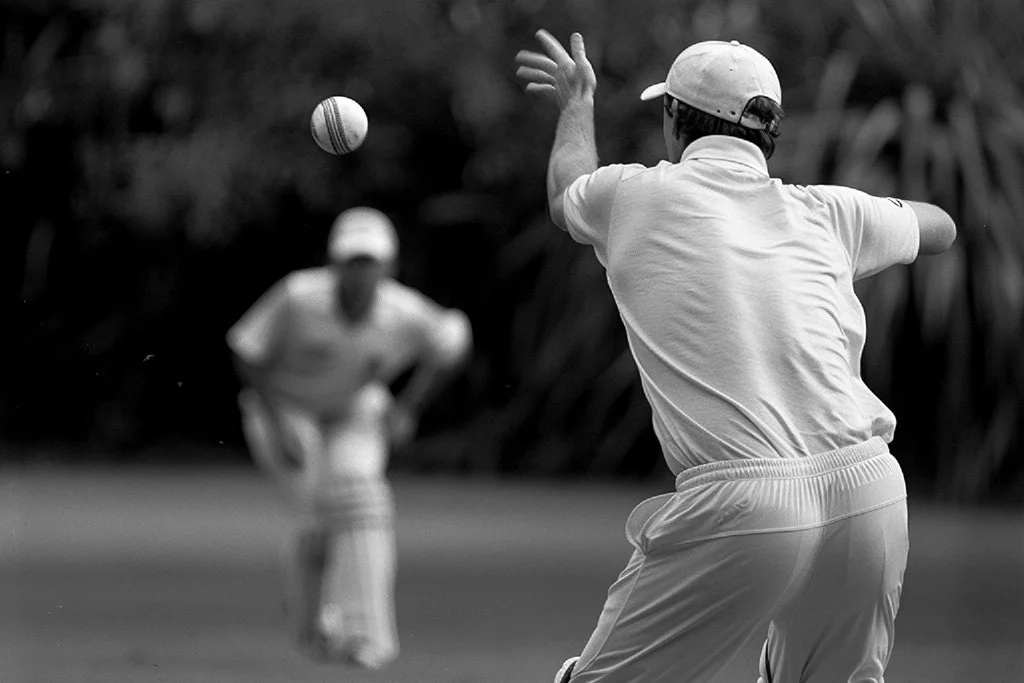
A hot topic and I get asked a lot about! Other sports are now specialising much earlier, which rugby cannot do as much since it is such a late maturation sport. I come from a background of playing all sports and indeed never went to a structured rugby session till I was 11 years old (which my son now cannot believe!) and my dad took me to Dumfries mini rugby. I focused on football, but also loved my cricket, I played squash and tennis weekly too.
Both multi-sport and specialisation have merits and drawbacks, but the key thing is balancing enjoyment and time constraints with long term development. The most important thing for me is each individual case is different and has context. No player is identical, no family case the same, plus kids have to be kids and enjoy time mucking around (which can be forgotten) and do some school work too!
The Case for Playing Multiple Sports:
Enjoyment & Long Term Development
An emphasis on enjoyment is so important. Players who specialise can face pressure to succeed because they only have one sport or option. This can lead to stress, anxiety, and even a loss of love for the sport. Multi-sport participation gives players more enjoyment options and gives a healthier, more balanced relationship with their sport and physical activity throughout their lives no matter the level.
The long-term development is also crucial and should be considered more in my opinion. Playing different sports provides a well-rounded physical foundation, developing varied muscle groups, coordination, and agility that can ultimately really help a rugby player. It also players develop a wider range of skills and experiences I believe. They get out of their ‘normal’ bubble, experience totally different environments, meet new people, make friends and get coached in very different ways. They also see competition and teamwork in a new way which is so healthy. It keeps kids mentally fresh and reduces the pressure and monotony that often comes with focusing solely on one sport. I am thinking here of the player who only plays rugby and his weekly mood is solely dependent on which team he gets picked for on a Saturday!
The list of benefits of other sports is endless. Football, tennis, squash, cricket and basketball for hand eye, spatial awareness, mobility and athletic movements. Athletics and gymnastics for power or endurance. Martial arts for more close combative movements, core strength, flexibility (think Jamie Ritchie and Freddie Douglas here!) and co-ordination. More generally all these sports will improve endurance, speed, movement and core strength.
More personally in my playing and coaching days I could name so many people that were exceptional at other sports which in my opinion directly transferred into their top-level rugby careers i.e. Finn Russell (Tennis), Duncan Weir (Football), Jamie Ritchie (Judo), Scott Murray (Basketball), and Hugo Southwell (Cricket)
The Risk of Burnout and Injury
Sports experts argue that early specialization can be detrimental to young athletes, in terms of burnout, overuse injuries, and stifling broader physical development. Rugby requires a lot of physical contact, and repetitive movements which can lead to fatigue and to mental or physical stress over time. Focus on one sport can cause imbalanced muscle development, leading to chronic injuries. In contrast, playing multiple sports helps reduce injury risk. Each sport uses very different movements and muscles creating fewer overuse injuries. Rugby can in certain positions use very specific muscle groups.
The Case for Specialising in Rugby
Rugby is a physically demanding and complex sport. There is such a variance in player size, speed and shape in a rugby team. Rugby requires a high level of skill, fitness, and tactical understanding. Specialising can help players develop a deeper technical knowledge way that multi-sport participation may not allow. This means that in some positions more than other early specialisation may help. A player who focuses solely on rugby can accumulate more practice, learning, improving technique, and understanding the tactical aspects. The range of skills for say a hooker or scrum half is vast and different, so specialisation might help. Is the same true for a winger whose main tasks involve evasion, speed and catching? Granted tackling is a very specialised skill but the skill list is not nearly as specialised as a prop, hooker or scrum half.
Conclusion
Ultimately, the choice between specialising in rugby and playing multiple sports when younger depends on the individual. There is no defined exact right or wrong and both approaches have advantages. The key is ensuring that players are physically and mentally happy and they get a chance to enjoy all the sports they play and experience the benefits rugby and sport bring.
Clearly a crunch time comes say around 14-17 years old when everything can become excessive. Two or more sports demand equal training and playing time, schoolwork and exams kick in and hormonally things change too. Until that point, when I get asked my advice is play as many sports as you can till as late as you can. Then choose to play the ones you enjoy the most and want to devote more time to. I hope this helps a tiny bit!

-
There is no one exact answer. However studies show that many young players benefit from playing multiple sports during their early development. Participating in different sports helps develop coordination, agility, strength and broader athletic skills that can transfer over to rugby. It also keeps sport enjoyable and reduces the pressure that can come with focusing on one sport too early. Exposure to different coaching styles and diverse environments can also broaden a player’s mind and experience.
-
There is no definite answer. However football and basketball would be great for hand-eye coordination, agility, spatial awareness, and decision-making. Athletics and gymnastics would be great for speed, power and endurance. Martial arts would be great preparation for the contact based elements of rugby as well as for core strength and injury prevention. It would also provide a totally different stimulus compared to most other sports.
-
Early specialisation can sometimes increase the risk of burnout, pressure and overuse injuries. Repeating the same movements in one sport over long periods can place repetitive stress on certain muscle groups. Playing different sports can help balance physical development, reduce injury risk and decrease mental stress.
-
There is no single correct age to specialise. Many players continue to play several sports through childhood before narrowing their focus approximately around ages 14 to 17. Training demands, school commitments and physical development often influence the decision to prioritise one sport.
-
Absolutely in most cases. You will find many top-level rugby players played multiple sports during their youth. Skills developed in other sports such as football, tennis, basketball or martial arts can translate directly into rugby with improved coordination, agility, spatial awareness and athletic movement.